Thane West, Maharashtra, 400601
Blogs
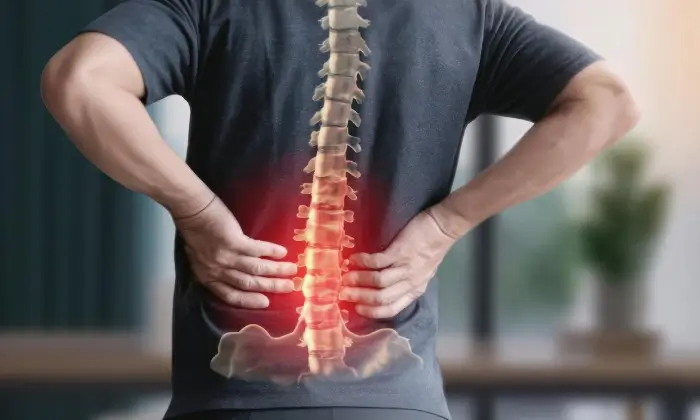
How I Decide Between Surgery & Non-Surgical Treatment for Spine Issues
Understanding Spine Problems and Treatment Options
Spine conditions can affect mobility, comfort, and overall quality of life. From disc prolapse and spinal stenosis to degenerative changes and nerve compression, these conditions vary widely in severity and impact.
One of the most common concerns patients have is whether they need surgery or can be managed with non-surgical treatment. The decision is never based on a single factor. Instead, it involves a careful clinical evaluation, imaging findings, symptom severity, and response to initial treatments.
Understanding how this decision is made can help patients feel more confident and informed about their treatment journey.
Why Spine Treatment Decisions Are Complex
The choice between surgical and non-surgical management depends on multiple factors:
- Nature of the spine condition (disc herniation, stenosis, fracture, etc.)
- Severity and duration of symptoms
- Presence of nerve compression or neurological deficits
- Impact on daily activities and quality of life
- Response to conservative (non-surgical) treatment
Some patients improve with medications and physiotherapy, while others may require timely surgical intervention to prevent complications.
Common Spine Symptoms That Guide Treatment Decisions
1. Persistent Back or Neck Pain
Pain is one of the most common symptoms. However, not all pain requires surgery.
- Mild to moderate pain → Often managed conservatively
- Severe, persistent pain → May need further evaluation for intervention
2. Radiating Pain (Sciatica or Arm Pain)
Pain travelling down the leg or arm suggests nerve involvement.
- Intermittent symptoms → Often treated non-surgically
- Continuous, severe radiating pain → May indicate need for surgery
3. Numbness or Tingling
This occurs due to nerve compression.
- Mild, temporary symptoms → Conservative care
- Progressive or worsening numbness → Requires urgent evaluation
4. Muscle Weakness
Weakness in limbs is a critical red flag.
- Difficulty lifting foot or gripping objects
- Loss of strength affecting daily tasks
👉 This often shifts the decision towards surgical treatment.
5. Difficulty Walking or Balance Issues
Spinal cord or nerve compression can affect coordination.
- Frequent imbalance or instability
- Reduced walking capacity
These symptoms may require timely surgical intervention.
6. Loss of Bladder or Bowel Control
This is a medical emergency (e.g., cauda equina syndrome).
- Immediate surgical treatment is required
- Delay can lead to permanent damage
When Non-Surgical Treatment Is Preferred
In many spine conditions, the first line of treatment is conservative care.
Non-Surgical Options Include:
- Medications (pain relief, anti-inflammatory drugs)
- Physiotherapy and rehabilitation
- Lifestyle modifications and posture correction
- Epidural steroid injections (in selected cases)
When It Works Best:
- Early-stage spine problems
- No significant nerve damage
- Symptoms are manageable and improving
Non-surgical treatment focuses on reducing pain, improving mobility, and allowing the body to heal naturally.
When Surgery Becomes Necessary
Surgery is considered when conservative treatment fails or when symptoms are severe.
Indications for Surgery:
- Persistent pain despite adequate non-surgical treatment
- Progressive neurological deficits (weakness, numbness)
- Severe nerve or spinal cord compression
- Loss of bladder or bowel control
- Structural instability of the spine
Surgical procedures aim to relieve pressure on nerves, stabilise the spine, and restore function.
Types of Spine Surgeries Commonly Performed
- Discectomy: Removal of herniated disc material
- Laminectomy: Decompression of spinal canal
- Spinal Fusion: Stabilisation of the spine
- Minimally Invasive Spine Surgery (MISS): Smaller incisions, faster recovery
The choice of procedure depends on the underlying condition and patient-specific factors.
How Doctors Make the Final Decision
The decision between surgery and non-surgical care is based on:
Clinical Evaluation
- Detailed history and physical examination
- Neurological assessment
Imaging Studies
- MRI scan (most important for spine conditions)
- CT scan or X-rays if required
Response to Treatment
- Improvement with medications and physiotherapy
- Persistence or worsening of symptoms
Patient Factors
- Age and overall health
- Lifestyle and activity level
- Expectations and preferences
A personalised approach ensures that treatment is both safe and effective.
Why Early Evaluation Matters
Delaying treatment in spine conditions can lead to:
- Chronic pain
- Permanent nerve damage
- Reduced mobility
- More complex surgical procedures later
Early diagnosis allows for better outcomes and often increases the chances of avoiding surgery.
Living with Spine Issues: Supportive Care
Along with medical treatment, supportive measures play a key role:
- Regular physiotherapy
- Ergonomic corrections (work posture, sleeping position)
- Weight management
- Strengthening and flexibility exercises
These measures help in long-term spine health and the prevention of recurrence.
Conclusion
Deciding between surgical and non-surgical treatment for spine issues is a carefully balanced medical decision. While many conditions improve with conservative care, certain symptoms, such as progressive weakness, severe nerve compression, or loss of function, require timely surgical intervention.
Understanding your symptoms and seeking early medical evaluation ensures that you receive the most appropriate treatment, prevent complications, and return to a better quality of life.

