Thane West, Maharashtra, 400601
Blogs
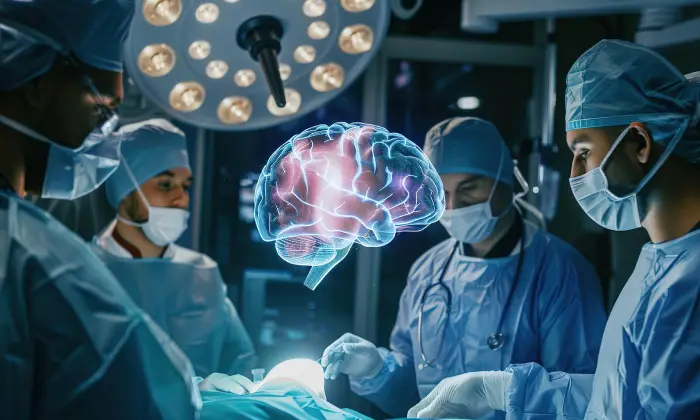
Brain Surgery Today Is More Planned, Guided and Precise Than Before
For many patients and families, the words “brain surgery” can feel frightening. But neurosurgery today has changed significantly. With advanced scans, computer-assisted planning, neuronavigation, improved microscopes, specialised instruments and structured post-operative care, brain surgery is now more planned, guided and precise than before.
Modern brain surgery is not just about operating. It begins much before the actual procedure — with detailed diagnosis, risk assessment, imaging, treatment planning and patient counselling.
How has brain surgery become more planned?
Earlier, patients often imagined surgery as an emergency decision. Today, most brain surgeries are planned step by step. Before surgery, the neurosurgeon studies the patient’s symptoms, MRI or CT scan findings, neurological examination, medical history and the exact location of the problem.
Brain surgery may be advised for conditions such as brain tumours, blood clots, traumatic brain injury, brain haemorrhage, hydrocephalus, aneurysms, pituitary tumours or other neurological conditions. The treatment plan depends on the diagnosis, size, location, pressure on the brain and the patient’s overall health.
This planning helps the neurosurgeon decide the safest surgical route, estimate possible risks and prepare the patient and family clearly before the procedure.
What does guided brain surgery mean?
Guided brain surgery means using modern technology to help the neurosurgeon reach the affected area with better accuracy. One such advancement is neuronavigation, also called computer-guided brain surgery. It uses MRI or CT-based mapping to create a 3D understanding of the brain and helps guide the surgeon during the operation.
Dr Amit Aiwale’s website highlights NeuroNavigation-guided brain surgeries and state-of-the-art neurosurgical facilities at Solaris Superspeciality Hospital in Thane. This kind of technology supports better surgical planning and helps the surgeon work with improved anatomical orientation during complex procedures.
Why is precision important in brain surgery?
The brain controls movement, speech, memory, sensation, behaviour and vital body functions. That is why precision is extremely important. The goal of modern neurosurgery is to treat the affected area while protecting important surrounding brain structures as much as possible.
Advanced imaging, surgical microscopes, endoscopic techniques and neuronavigation help neurosurgeons identify the target area more clearly. In selected cases, minimally invasive or endoscopic approaches may also be considered, depending on the condition.
Precision does not mean that every surgery is risk-free. Brain surgery is still a complex procedure. However, modern planning and technology help reduce uncertainty and support safer decision-making.
What happens before brain surgery?
Before brain surgery, patients may undergo blood tests, MRI, CT scan, neurological assessment, anaesthesia fitness evaluation and medication review. The neurosurgeon explains why surgery is needed, what approach may be used, possible benefits, expected recovery and risks involved.
Patients should inform the doctor about diabetes, blood pressure, heart disease, blood thinners, allergies or previous surgeries. This helps the medical team plan the procedure more safely.
What happens after brain surgery?
Recovery depends on the type of surgery and the patient’s condition before the operation. Some patients may need ICU monitoring, medicines, physiotherapy, speech therapy, wound care or regular follow-up scans.
The post-surgery period is as important as the surgery itself. Follow-up helps track healing, neurological improvement and early detection of any concern. Patients should report severe headache, fever, seizures, weakness, confusion, wound swelling or vomiting immediately.
Why choose an experienced neurosurgeon?
Brain surgery requires expertise, judgement and advanced infrastructure. An experienced neurosurgeon not only performs the operation but also guides the patient through diagnosis, decision-making, counselling, surgery and recovery.
Dr Amit Aiwale is a Neurosurgeon in Thane known for brain and spine care, including advanced neurosurgical procedures. For patients looking for planned, guided and precise brain surgery in Thane, consulting Dr Amit Aiwale can help them understand their condition, available treatment options and the right way forward.
Conclusion
Brain surgery today is more advanced than ever before. With proper planning, guided technology and precise surgical techniques, neurosurgeons can treat complex brain conditions with greater confidence and care.
If you or your loved one has been advised brain surgery, timely consultation with a qualified neurosurgeon is the most important first step.

