Thane West, Maharashtra, 400601
Blogs
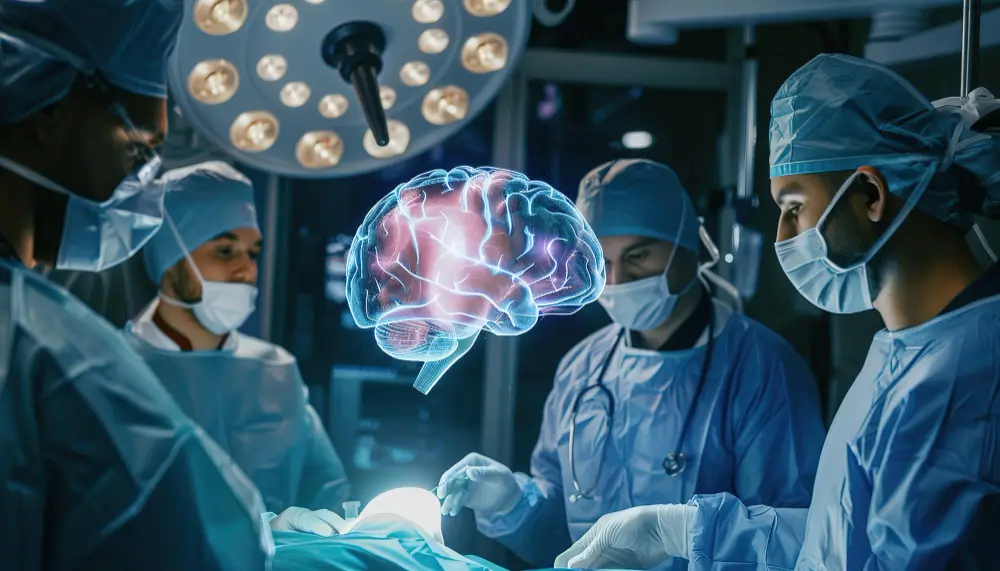
When Is Brain Surgery Inevitable? Early Warning Signs & How Modern Neurosurgery Helps
Brain surgery is often considered one of the most complex medical procedures, and the thought of it can naturally cause fear and anxiety. However, in many situations, brain surgery is not only necessary but life-saving. Understanding when brain surgery becomes inevitable, recognising early warning signs, and knowing how modern neurosurgery has evolved can help patients seek timely treatment and avoid serious complications.
With advancements in medical science, neurosurgery today is safer, more precise, and often minimally invasive. Under the expertise of Dr Amit Aiwale, a highly experienced neurosurgeon, patients receive evidence-based care using advanced technology designed to ensure maximum safety, comfort, and better recovery outcomes.
When Is Brain Surgery Considered Inevitable?
Brain surgery becomes necessary when a neurological condition threatens life, causes severe disability, or cannot be managed effectively with medications alone.
1. Brain Tumours (Cancerous or Non-Cancerous)
A growing brain tumour can increase pressure within the skull and damage surrounding brain tissue. Brain surgery helps remove the tumour, relieve pressure, and prevent further neurological damage.
2. Traumatic Brain Injuries (TBI)
Severe head injuries resulting in bleeding, swelling, or skull fractures often require emergency brain surgery to prevent permanent brain damage or loss of life.
3. Brain Haemorrhage or Stroke
Uncontrolled bleeding in the brain is a medical emergency. Surgical intervention may be required to stop bleeding, remove blood clots, or repair damaged blood vessels.
4. Hydrocephalus (Fluid Build-Up in the Brain)
When cerebrospinal fluid accumulates in the brain, it raises intracranial pressure. Surgical procedures such as shunt placement or endoscopic treatment help restore normal fluid flow.
5. Epilepsy Not Responding to Medication
If seizures continue despite optimal medical therapy, brain surgery may be recommended to remove or disconnect the area triggering seizures.
6. Aneurysm or AVM (Abnormal Blood Vessels)
Weak or malformed blood vessels in the brain pose a high risk of rupture. Surgical treatment is often necessary to prevent life-threatening brain bleeding.
Early Warning Signs You Should Never Ignore
Symptoms of serious brain conditions may develop gradually but can become dangerous if left untreated.
1. Persistent or Worsening Headaches
Headaches that become severe, frequent, or are associated with nausea, vomiting, or vision problems should never be ignored.
2. Sudden Seizures
New-onset seizures, especially in adults without a history of epilepsy, may indicate a structural brain problem.
3. Weakness or Numbness in Limbs
Loss of strength or sensation on one side of the body can signal a brain tumour, stroke, or nerve compression.
4. Blurred or Double Vision
Pressure on the optic nerves or visual pathways can cause vision disturbances and may require urgent neurosurgical evaluation.
5. Difficulty in Speech or Understanding
Slurred speech, confusion, memory problems, or difficulty understanding language may point to a neurological disorder.
6. Balance Problems or Frequent Falls
Issues with balance or coordination may be related to conditions affecting the cerebellum or brainstem.
How Modern Neurosurgery Makes Brain Surgery Safer
Advances in neurosurgical techniques have significantly improved patient safety, precision, and recovery.
1. Minimally Invasive Brain Surgery
Smaller incisions result in reduced pain, lower infection risk, and quicker recovery.
2. Neuro-Navigation Technology
This technology functions like a GPS for the brain, helping surgeons operate with exceptional accuracy.
3. Endoscopic Neurosurgery
Used for tumours, cysts, and hydrocephalus, this approach avoids large incisions and shortens hospital stay.
4. Advanced Brain Monitoring Systems
These systems protect critical brain functions and nerves during surgery.
5. Robot-Assisted Brain Surgery
Robotic assistance enhances surgical precision and reduces the risk of human error.
Why Choose Dr Amit Aiwale for Advanced Brain Surgery?
- Extensive experience in complex neurosurgical procedures
- Expertise in minimally invasive and endoscopic neurosurgery
- Access to advanced diagnostic and surgical technology
- Patient-centred care with clear guidance and support
- High success rates with improved recovery outcomes
Whether it is an emergency or a planned procedure, Dr Amit Aiwale ensures world-class neurosurgical care tailored to each patient’s needs.
Frequently Asked Questions (FAQs)
1. Is brain surgery always risky?
All surgeries carry some risk, but modern neurosurgery has significantly reduced complications through advanced technology and refined techniques.
2. How do I know if I need brain surgery?
Your neurosurgeon will assess your symptoms, imaging scans (MRI/CT), and medical history to determine if surgery is necessary.
3. Is minimally invasive brain surgery effective?
Yes. For many conditions, minimally invasive procedures offer excellent outcomes with faster recovery and fewer complications.
4. How long is recovery after brain surgery?
Recovery varies based on the procedure and patient condition, but many modern surgeries allow quicker recovery than traditional methods.
5. Can brain tumours be removed completely?
This depends on the tumour’s size, type, and location. Many tumours can be safely removed, while others may need additional treatments such as radiation or chemotherapy.
6. When should I see a neurosurgeon?
If you experience persistent headaches, seizures, weakness, vision problems, or any neurological symptoms, consult a neurosurgeon promptly.
Take the First Step Toward Safe & Expert Brain Care
If you or your loved one is experiencing warning signs or has been advised to consult a neurosurgeon, do not delay. Early diagnosis and timely treatment can save lives and prevent long-term complications.
Book your consultation with Dr Amit Aiwale and receive advanced, precise, and compassionate brain care using the latest neurosurgical technology.

