Thane West, Maharashtra, 400601
Blogs
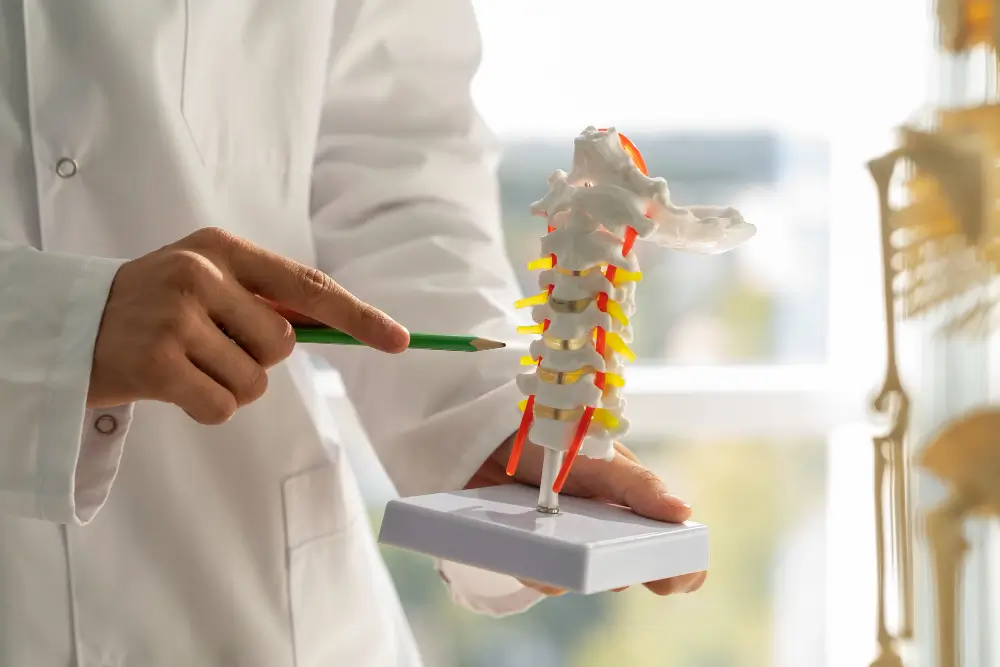
Spondylolisthesis 101: What It Is, Why It Happens, and When to Be Concerned
Spondylolisthesis is a spinal condition that often goes unnoticed until it starts affecting daily activities, mobility, or overall quality of life. Many people ignore early symptoms like back stiffness or leg pain, assuming it is just muscular discomfort. However, understanding spondylolisthesis early can help prevent long-term complications and nerve damage.
In this comprehensive guide, Dr Amit Aiwale, an experienced neurosurgeon, explains what spondylolisthesis is, why it occurs, how it progresses, common symptoms, available treatment options, and when you should seek medical attention.
What Is Spondylolisthesis?
Spondylolisthesis is a condition in which one vertebra slips forward over the vertebra below it. This misalignment can compress spinal nerves, cause lower back pain, and lead to difficulty standing or walking. Although it can affect people of all ages, it is most commonly seen in older adults, athletes, and individuals with a history of spinal injuries.
Types of Spondylolisthesis
1. Degenerative Spondylolisthesis
This type occurs due to age-related wear and tear of spinal discs and joints, leading to instability in the spine.
2. Isthmic Spondylolisthesis
Caused by a small crack or defect in the vertebra, known as spondylolysis, which allows the vertebra to slip forward.
3. Traumatic Spondylolisthesis
Develops after accidents, fractures, or direct trauma to the spine.
4. Congenital Spondylolisthesis
Present from birth due to abnormal development of the vertebrae.
5. Pathological Spondylolisthesis
Results from tumours, infections, or diseases that weaken the spinal structure.
Why Does Spondylolisthesis Happen?
Several factors can contribute to the development of spondylolisthesis:
1. Age-Related Degeneration
As we age, spinal discs lose water content and elasticity, leading to reduced stability.
2. Repeated Stress or Sports Injuries
Activities such as gymnastics, football, and heavy weightlifting place repetitive stress on the spine.
3. Genetic or Birth Defects
Some individuals are born with weaker vertebral structures, increasing the risk of slippage.
4. Trauma or Accidents
Sudden impact injuries can force a vertebra out of alignment.
5. Chronic Spinal Conditions
Conditions such as arthritis or osteoporosis can weaken the spine and contribute to vertebral slippage.
Common Symptoms of Spondylolisthesis
Symptoms vary depending on the severity of the condition. Common symptoms include:
- Lower back pain
- Leg pain or numbness
- Tight hamstrings
- Difficulty standing or walking for long periods
- Spinal stiffness
- Pain radiating to the hips or buttocks
In severe cases, nerve compression may lead to muscle weakness or loss of sensation in the legs.
How Is Spondylolisthesis Diagnosed?
1. Physical Examination
The doctor assesses posture, spinal mobility, reflexes, and nerve function.
2. X-rays
X-rays help determine the degree and severity of vertebral slippage.
3. MRI or CT Scan
Advanced imaging is used to evaluate nerve compression and soft tissue involvement.
Treatment Options for Spondylolisthesis
Non-Surgical Treatments
Most mild to moderate cases respond well to conservative management, including:
- Physiotherapy
- Anti-inflammatory medications
- Epidural steroid injections
- Back braces for temporary support
- Activity modification
Surgical Treatment
Severe or progressive cases may require spine surgery to stabilise the affected vertebra and relieve nerve pressure. Common surgical procedures include:
- Spinal fusion
- Decompression surgery
- Minimally invasive spine surgery (MISS)
Dr Amit Aiwale specialises in advanced neurosurgical and minimally invasive spine techniques aimed at restoring mobility and reducing chronic pain.
When Should You Be Concerned?
Seek immediate medical evaluation if you experience:
- Severe or persistent back pain
- Tingling, numbness, or weakness in the legs
- Difficulty controlling bladder or bowel movements
- Pain that worsens despite rest
- Sudden worsening of symptoms
Ignoring these warning signs may lead to nerve damage or permanent disability.
Frequently Asked Questions (FAQs)
1. Can spondylolisthesis heal on its own?
Mild cases may improve with physiotherapy, rest, and strengthening exercises, but severe cases require medical treatment.
2. Is spondylolisthesis a serious condition?
It can be serious if left untreated, potentially leading to nerve damage and chronic pain.
3. Who is at the highest risk of spondylolisthesis?
Athletes, older adults, and individuals with congenital spinal defects are at higher risk.
4. Can exercise worsen spondylolisthesis?
High-impact activities may aggravate symptoms. A physiotherapist can recommend safe exercises.
5. When is surgery necessary?
Surgery is considered when conservative treatments fail or when there is significant nerve compression, instability, or severe vertebral slippage.
Take the First Step Towards a Pain-Free Life
If you are experiencing persistent back pain, leg numbness, or symptoms that may indicate spondylolisthesis, do not delay diagnosis. Early intervention can prevent complications and restore your quality of life.
Consult Dr Amit Aiwale – Expert Neurosurgeon for accurate evaluation, personalised treatment, and long-term relief through advanced spine care techniques.

